The Essential Guide to Making Your Healthcare Podcast Discoverable
You've recorded your episodes. Edited them. Published them to your hosting platform. Now what?
If you think your podcast will magically appear in front of the right listeners just because it exists, you're in for disappointment. Podcast discoverability doesn't work like traditional SEO. There's no single search engine ranking your show. No algorithm you can optimize for universal success.
Instead, health podcasts live in a fragmented ecosystem where Apple Podcasts, Spotify, YouTube, and dozens of other platforms each have their own discovery mechanisms. Your show needs to exist in multiple places, with the right metadata, presented in ways that help the right listeners find you.
The good news? Making your healthcare podcast discoverable is straightforward once you understand the essential steps. This guide walks through what actually matters for getting your show in front of healthcare professionals, patients, and the audiences who need your insights most.
Why Your Podcast Needs a Website (Yes, Really)
Before you submit your podcast anywhere, you need a website. Not "it would be nice to have one eventually." You need one now.
Tom Webster, Vice President of Sounds Profitable, addressed this during his Health Podcast Summit interview. His guidance is straightforward: "You need a website for your show. When people go to that website, there should be a big play button. Then underneath that can be all the logos of all the platforms that they could go to, but at least make that first introduction easy for people."
Your podcast website serves as home base for everything else you create. It's where you control the narrative. It's the destination you send people to when they hear about your show. And it's increasingly important for search engine optimization since podcast apps don't communicate with Google the way websites do.
Building a podcast website used to require technical knowledge and constant manual updates. Not anymore. Tools like Beamly (formerly PodcastPage.io), Transistor, and Captivate automatically import your episodes, create show notes pages, and give you a professional-looking site in minutes.
Pro tip: Include links to your podcast in the footer of every page on your website—with direct links to Apple Podcasts, Spotify, and YouTube. Set these links to open in a new tab so your audience can subscribe to their preferred player without leaving your site. Whether someone lands on your homepage or deep in your episode archive, they should be able to subscribe with one click.
Where to Register Your Healthcare Podcast
Here's where podcasters get overwhelmed. There are dozens of podcast directories listed in aggregator posts. You don't need all of them.
Focus on the platforms where your healthcare audience actually listens:
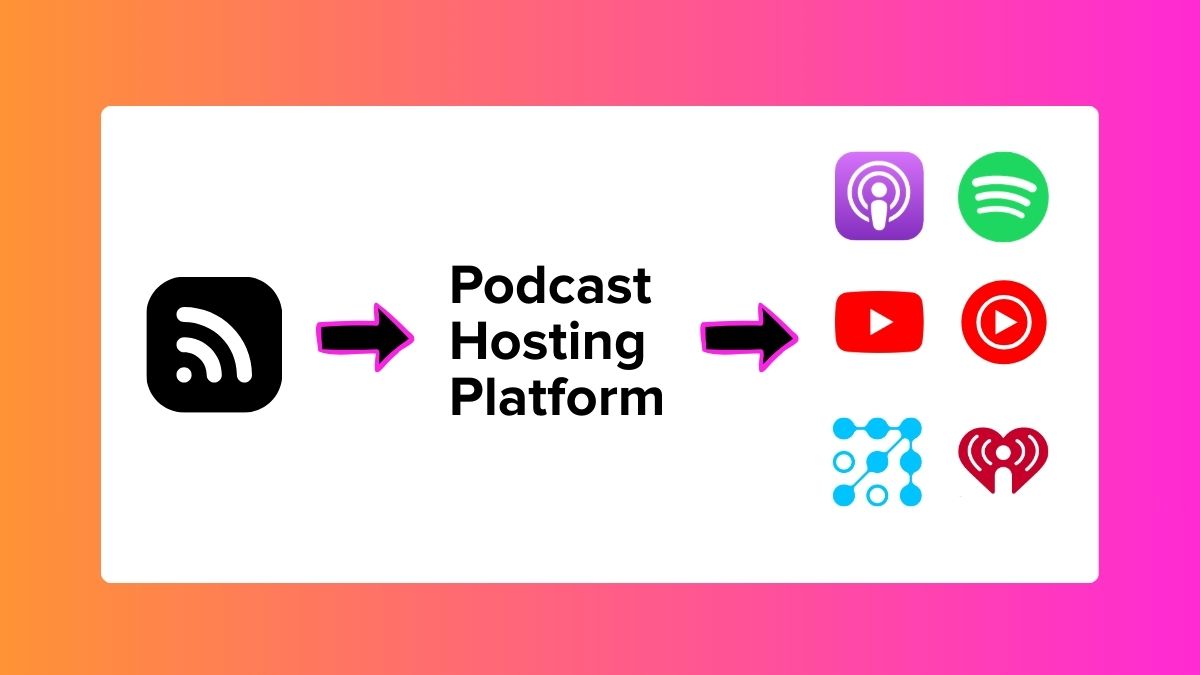
1. Apple Podcasts
Still the dominant platform in podcasting. If your show isn't on Apple Podcasts, you're missing a significant share of potential listeners.
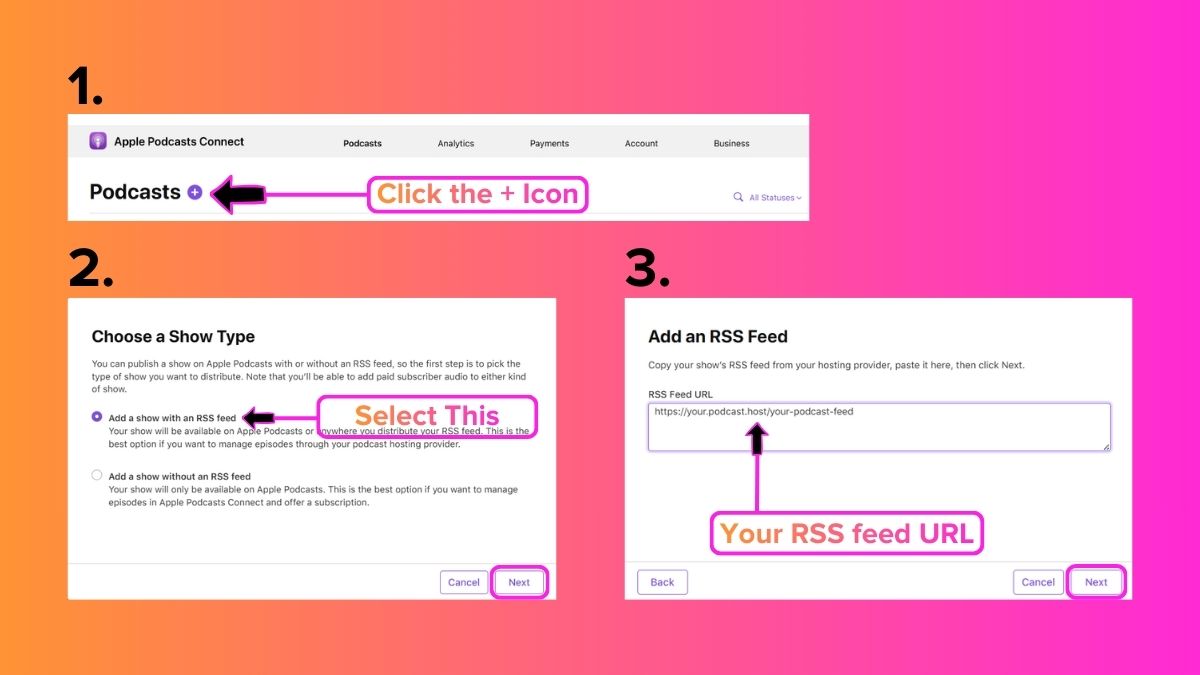
Critical warning: Only submit your show to Apple Podcasts once, under one Apple ID. Not sure if you've submitted it before? Check thoroughly before proceeding. You cannot merge multiple Apple Podcasts listings later. If a colleague submitted your show years ago under their account, claim that listing rather than creating a duplicate. You can't merge stats, followers, or reviews between duplicate listings. This is one of the most common mistakes healthcare podcasters make, and it's permanent.
2. Spotify
The other major platform for podcast discovery, especially among younger healthcare professionals and patients. Spotify's algorithm prioritizes completion rates and saves, so even if your download numbers are modest, engaged listeners help your show get recommended to similar audiences.
3. YouTube
YouTube isn't just for video anymore. Many podcasters upload audio-only episodes or create simple video versions with static images or waveforms. YouTube's search functionality is far more robust than any podcast app, making it easier for people to discover your healthcare content through topic searches.
Creating a YouTube channel for your podcast is straightforward. Follow YouTube's documentation for podcast-specific setup.
4. YouTube Music
YouTube Music now accepts RSS feeds, creating another discovery point for your podcast. This is a relatively recent development that healthcare podcasters should take advantage of. Check YouTube's documentation for instructions on submitting your feed.
5. Health Podcast Library
If you're creating health or medical content, apply to Health Podcast Library. It's a curated directory specifically for health podcasts, which means your ideal audience—healthcare professionals, patients seeking credible information, and organizations looking for quality health content—is already there looking for shows like yours.
The curation process helps listeners cut through the noise and find evidence-based health podcasts without having to evaluate every show themselves. This is particularly valuable in healthcare, where content quality directly impacts how people understand and approach their health.
6. iHeartRadio
Another major platform with significant reach, particularly for audiences who discovered podcasts through traditional radio.
That's it. Those six platforms give you the coverage that matters. You don't need to chase every obscure podcast directory mentioned in comprehensive lists. Focus on quality distribution over quantity.
The Right Way to Embed Your Podcast on Your Website
Once your show is listed on major platforms, you want visitors to your website to actually listen.
Best practice: Add Apple Podcasts and Spotify buttons prominently, then include a large embedded player—either from Apple or Spotify—so people can listen right there on your site without downloading anything.
Pro tip: Use the native embedded players from Apple Podcasts and Spotify. People recognize these players. They look professional. They load reliably.
Important: Don't use the embed player provided by your podcast hosting platform. While convenient, these players often aren't as recognizable or user-friendly as the native players from Apple and Spotify. Give your listeners the experience they're already familiar with from the apps they use daily.
Understanding Podcast SEO (It's Different Than You Think)
Search engine optimization for podcasts works differently from written content. You can't optimize for "the algorithm" because there isn't one universal algorithm.
Each platform has its own approach:
Apple Podcasts prioritizes your show title, author name, and episode titles in search. Your show description matters, but the title is what gets indexed and ranked. "The Healthcare Leadership Podcast" will outperform "Leadership Vibes" if someone searches for healthcare leadership content.
Spotify weighs completion rates heavily. If listeners finish your episodes, Spotify recommends your show more frequently. This means episode length and content quality directly impact discoverability on Spotify.
YouTube functions like the search engine it is. Video titles, descriptions, tags, and even the text spoken in your audio all contribute to searchability. This is why YouTube is increasingly important for podcast discoverability, even if you're just uploading audio.
As Tom Webster notes: "YouTube is a great place to be found. It is a very important discovery source for podcasts."
Make Your Episode Titles Work For You
Your episode titles should be specific and descriptive. "Episode 47" tells nobody anything. "Managing Type 2 Diabetes Through Lifestyle Changes with Dr. Sarah Chen" tells both platforms and potential listeners exactly what they'll get.
Write descriptions that include the key topics covered, guest names if applicable, and relevant healthcare terminology that people might search for. But write for humans first, not algorithms.
What to Do Right Now
Pick one thing from this list and do it today:
Set up a basic website for your podcast if you don't have one. Use Beamly or your hosting platform's built-in site builder. Get something live.
Submit to all six essential platforms if you haven't yet. Focus on Apple Podcasts first if you have to choose.
Review your last five episode titles. Are they specific and searchable? If not, update them. Most podcast hosts let you edit episode metadata after publication.
Add native Apple Podcasts and Spotify players to your website. Remove any generic players that came from your hosting platform.
Check for duplicate Apple Podcasts listings. If you have multiple listings for the same show, contact Apple Podcasts support immediately to archive the duplicate and prevent further confusion.
Discoverability Is a Foundation, Not a Strategy
Getting your podcast properly distributed and optimized for search is essential. But it's table stakes, not a growth strategy.
As Tom Webster puts it: "A podcast alone today is just not going to cut through the noise and build an audience. You need to build a platform and the podcast is one part of that."
Once your show is discoverable through the right platforms, your real work is creating valuable content, building relationships with other healthcare podcasters, and connecting with the specific audiences who need the insights you're creating.
Discoverability ensures that when someone looks for your topic, they can find you. But you still have to give them a reason to look in the first place.
Start with the foundation by making a podcast worth finding (more to come on this in future posts!).
Then be sure to make it discoverable.